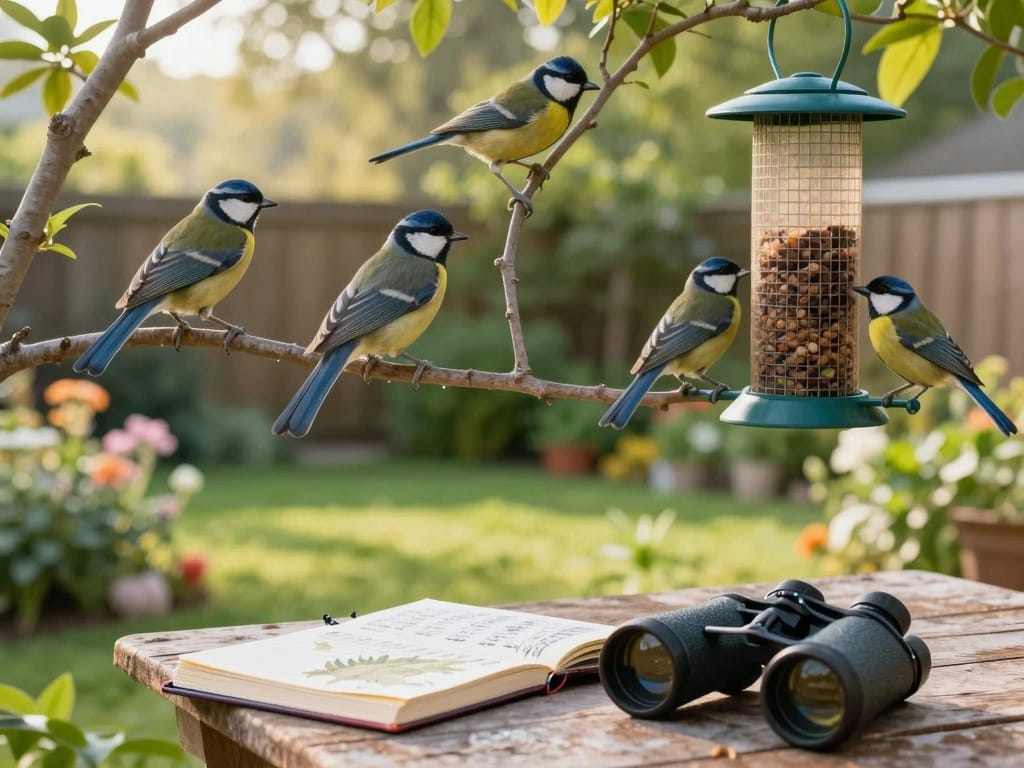
The Basics of Birding: What You Need to Get Started

Starting a backyard birding life list is an exciting venture that invites you to engage with nature, observe wildlife, and enjoy the therapeutic benefits of birdwatching. Whether you are a seasoned birdwatcher or a curious beginner, this guide will help you embark on your journey to create a comprehensive life list of the birds that visit your backyard. Let's begin with the essentials you need to get started.
Essential Gear for Backyard Birding
To kick off your backyard birding adventure, you’ll need some basic equipment. Here are the essentials:
- Binoculars: A good pair of binoculars is crucial for birdwatching. Look for models that offer at least 8x magnification and a wide field of view. Brands like Vortex and Nikon offer reliable options such as the Vortex Diamondback 8x42 and the Nikon Monarch 5 8x42.
- Field Guide: A field guide specific to your region is invaluable for identifying birds. Consider the National Geographic Field Guide to the Birds of North America or the Peterson Field Guide to Birds of North America.
- Notebook or Journal: Keep a dedicated notebook to log your sightings. Include details such as the date, time, location, and any notable behavior.
- Camera: A camera can help you capture images of the birds you observe. If you're looking for a basic option, a smartphone with a good camera will suffice.
Choosing the Right Location in Your Yard
The location of your birding spot is critical to your success. Here are a few tips to create an optimal environment:
- Quiet Area: Select a quiet corner of your yard where disturbances are minimal. Birds tend to avoid loud noises and high-traffic areas.
- Viewpoint: Set up a comfortable chair or bench with a clear view of feeders and natural bird traffic zones.
- Shade and Shelter: Birds appreciate areas with trees and shrubs for shelter, making them feel safer while feeding.
Understanding Bird Behavior and Habitats
Birds have specific habits and preferences based on their species. Here are some key points to consider:
- Feeding Patterns: Different species have varied feeding times. Some birds are early risers, while others may come out later in the day.
- Habitat Preferences: Some birds prefer open areas, while others thrive in wooded settings. Research common birds in your region to understand their habitat needs.
- Seasonal Changes: Bird populations change with the seasons. Be mindful of migratory patterns to know which birds to expect at different times of the year.
Creating Your Backyard Habitat for Birds
Now that you have the basics down, it’s time to create a welcoming environment that attracts birds to your backyard. Here’s how you can enhance your yard for birding.
Types of Feeders and Their Benefits
Bird feeders are one of the most effective ways to attract birds. Here are several types of feeders and their advantages:
- Tube Feeders: These feeders are great for smaller birds like finches and chickadees. They can hold various seeds and have multiple feeding ports, like the Droll Yankees Classic Tube Feeder.
- Platform Feeders: Open feeders attract larger species such as doves and jays. They are versatile and can be used for various foods, including seeds, fruits, and nuts.
- Hopper Feeders: These feeders are designed to hold larger quantities of seed and can accommodate multiple birds at once. The Woodlink Going Green Platform Bird Feeder is a popular choice.
- Nectar Feeders: To attract hummingbirds, consider a nectar feeder filled with a sugar-water solution. The First Nature 32 oz Hummingbird Feeder is user-friendly and effective.
Planting Native Species to Attract Birds
Planting native flora is one of the best ways to create a natural habitat for birds. Native plants provide essential food sources and shelter. Here are some excellent choices:
- Berry-producing Shrubs: Plants like blueberry, blackberry, and serviceberry attract many bird species.
- Flowering Plants: Consider planting echinacea, bee balm, or sunflowers that provide nectar and seeds.
- Native Trees: Trees like oaks and maples can provide food in the form of insects and seeds, as well as shelter.
Providing Water Sources for Birds
Water is a crucial element for attracting birds. Here’s how to provide it effectively:
- Birdbaths: A shallow birdbath is essential for providing drinking and bathing water. Ensure it is regularly cleaned and refilled. The Songbird Essentials Bird Bath is a great choice.
- Dripping Water Sources: Adding a drip or fountain feature can attract more birds by enhancing the sound and movement of water.
- Natural Ponds: If space allows, consider creating a small pond, which can draw in a variety of species.
How to Identify Birds in Your Backyard
Identifying birds is one of the most rewarding aspects of backyard birding. Here are some effective methods to help you with identification.
Utilizing Field Guides and Mobile Apps
Field guides are an essential resource for identifying birds. Here are some popular options:
- Field Guide Books: Invest in a comprehensive field guide specific to your region. The Sibley Guide to Birds is highly regarded among birdwatchers.
- Mobile Apps: Apps like Merlin Bird ID or iBird can help you identify birds based on location, size, color, and even song.
Learning to Recognize Bird Calls and Songs
Bird songs and calls are vital for identification. Here are some tips:
- Listening Practice: Spend time listening to the birds in your area and use resources like the Macaulay Library for audio examples.
- Song Identification: Focus on common species first, such as robins, sparrows, and cardinals, to familiarize yourself with their calls.
Taking Advantage of Online Birding Communities
Joining online communities can enhance your birding experience. Here’s how:
- Forums and Social Media Groups: Platforms like Facebook and Reddit have birdwatching groups where you can share sightings and ask for help with identification.
- Birding Blogs and Websites: Many birders maintain blogs where they share tips, sightings, and resources that can be beneficial.
Recording Your Backyard Birding Life List
Keeping an accurate record of your bird sightings is essential for tracking your progress and enriching your birding experience. Here’s how you can effectively manage your life list.
Choosing the Right Format for Your Life List
Deciding how to format your life list is the first step. Consider these options:
- Notebook: A simple notebook can be used to list birds, dates, and notes about each sighting.
- Spreadsheet: Using software like Excel allows for organized data entry and easy sorting.
- Apps: Consider birding apps like Bird Journal or Birdwatcher's Diary for a digital option.
Tips for Keeping Accurate Records
To maintain an accurate life list, keep these tips in mind:
- Be Detailed: Record the date, time, location, and any unique behaviors observed.
- Regular Updates: Update your list promptly after each birdwatching session to avoid forgetting details.
- Photographic Evidence: Taking photos can help verify your sightings and assist with identification.
Using Technology for Bird List Management
Technology can greatly simplify managing your life list. Here’s how:
- Birding Apps: Many apps allow you to log your sightings and track your progress over time.
- Online Databases: Websites like eBird offer platforms to record sightings, contribute to citizen science, and connect with other birders.
Expanding Your Birding Experience Beyond the Backyard
While backyard birding is fulfilling, there are many opportunities to expand your experience. Here are a few suggestions:
Joining Local Birdwatching Groups
Connecting with local birdwatchers can enhance your skills and opportunities:
- Find Local Clubs: Many regions have birdwatching clubs that organize outings, workshops, and educational events.
- Networking: Engaging with experienced birders can provide valuable insights and tips specific to your area.
Participating in Citizen Science Projects
Citizen science projects offer a way to contribute to bird conservation efforts:
- eBird: Participate in eBird to track your sightings and contribute to a global database.
- Christmas Bird Count: Join this annual event to count birds in your area, helping scientists understand bird populations.
Planning Birding Excursions and Trips
Consider venturing beyond your backyard for a more diverse birding experience:
- Visit National Parks: Places like Yellowstone or Everglades offer unique birding opportunities.
- Plan Road Trips: Research bird hotspots in your region and plan trips around peak migration times.
In conclusion, starting your backyard birding life list can be an incredibly rewarding hobby that connects you with nature and enriches your life. With the right gear, a welcoming habitat, and a commitment to learning, you can embark on a fulfilling journey of exploration and discovery right in your backyard. Happy birding!